Camp Kiwanilong and People of Color Outdoors
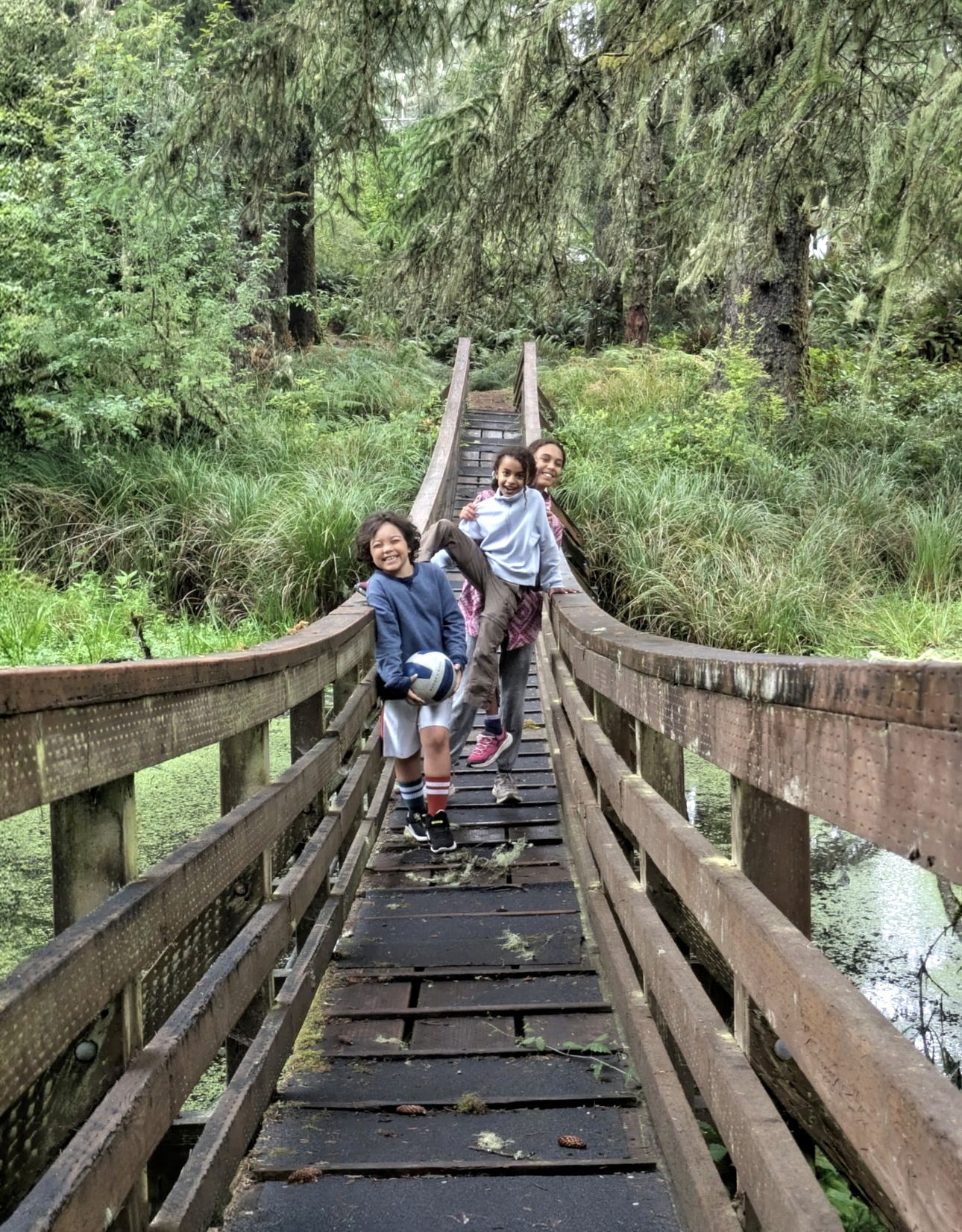
A rustic 1930s summer camp on the Oregon coast has becomes into a site of healing and joy for families of color
“Once you pass the suspended bridge over the peat bog, there’s this big tree. You can’t miss it.” Pamela Slaughter, the founder and executive director of People of Color Outdoors (POCO), is reminiscing about the first time she took a group of students to Camp Kiwanilong, some 30 years ago. At the time, she co-led a Campfire group of Black Portland elementary school girls. Few to none had ever been to a summer camp before.
“They were noisy girls,” she recalls, but when they reached that massive tree, “they got really quiet. Then one of them said, ‘this feels like a church.’ ”
The others agreed. They kept walking, glimpsing lakes amidst the marshy wetlands, and as they walked, it got drier, there were fewer trees and taller grass, and then this roaring sound that the girls didn’t recognize. “We didn’t tell them,” Slaughter says mischievously. “We came over this hill, and it was such a shock to them. There was the Pacific Ocean.”
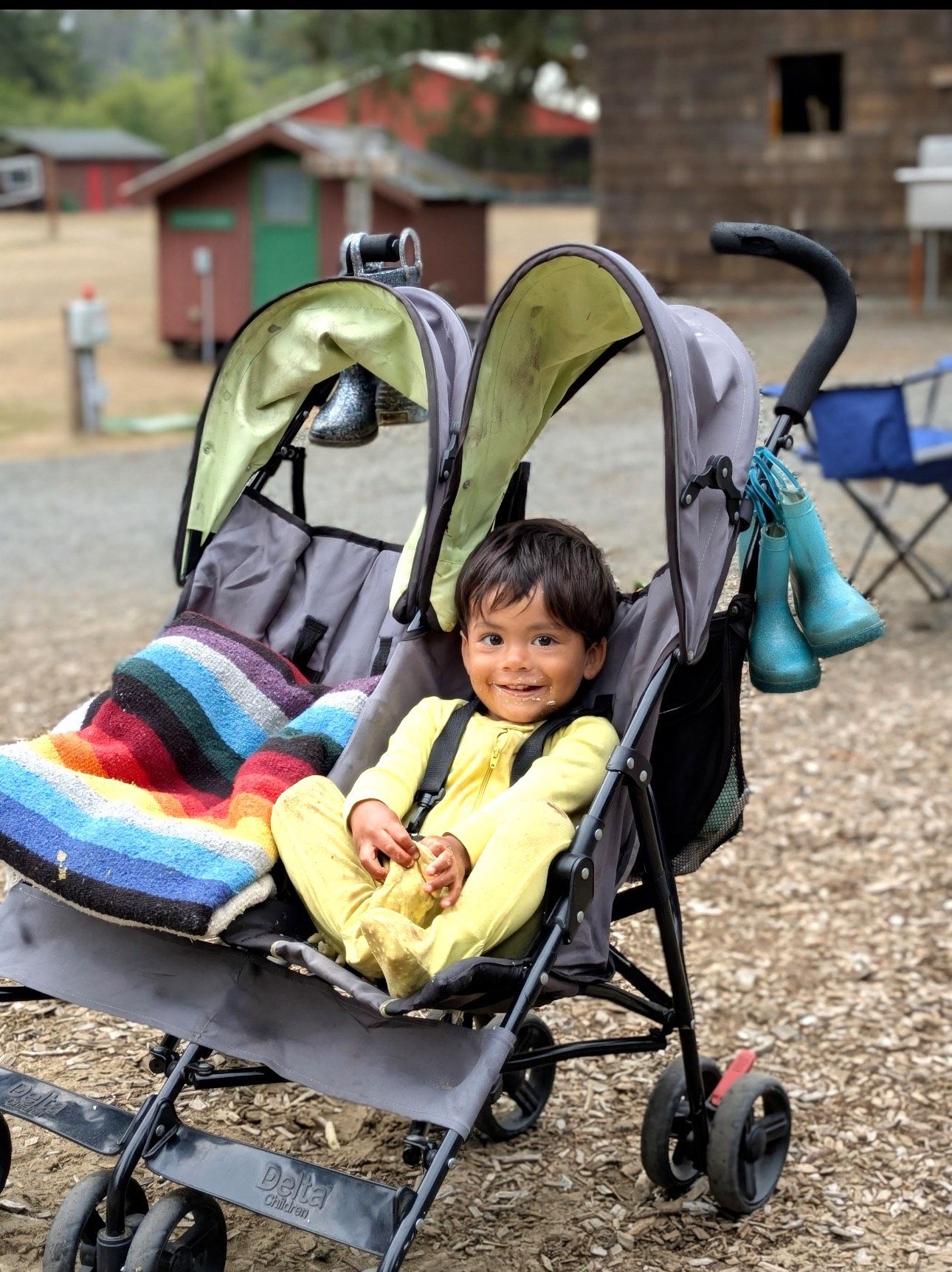
In 2020, years after her Campfire group ended, Slaughter founded POCO to replicate the beauty that she found at Camp Kiwanilong. Slaughter knows first-hand that people of color often associate the Great Outdoors with anxiety and danger because of run-ins with racists who made them feel unwelcome and not infrequently threatened their safety. In the 1990s, Slaughter, who’s Black, encountered skinheads while exploring outdoors with her kids. In the last several months, her daughter and a van of hikers of color in the Gorge were pulled over by cops for driving under the speed limit and questioned about their presence. Her work acts as a counterforce against traumatic experiences like these, which prevent people of color from accessing the diversity of beautiful places in Oregon. Instead, she aims to create healing experiences using the power of numbers and her skills as a leader. She brings groups to explore and adventure together.
“At POCO we believe that all people are at their best when they spend regular time in nature.”
POCO is an all-volunteer run organization with some 8,000 members who learn about their free events through Meetup and Facebook. In 2025, POCO organized over 100 outings for their members; 50 percent were self-created, and the other half came through partnerships. POCO members hiked in the Wallowas and the Gorge, camped at Timothy Lake, and explored the Tillamook Forest. They paddled in waterways around the Portland-area and spent days birding in marshes and wetlands. As Slaughter has aged and gone through injuries, she’s adapted their programs to be incredibly accessible, often bringing tents, hammocks, and blankets for people who don’t want to hike but simply want to soak up the energy of a wild place in the company of others. She hopes their frequent outings help normalize BIPOC presence in Oregon’s natural spaces.
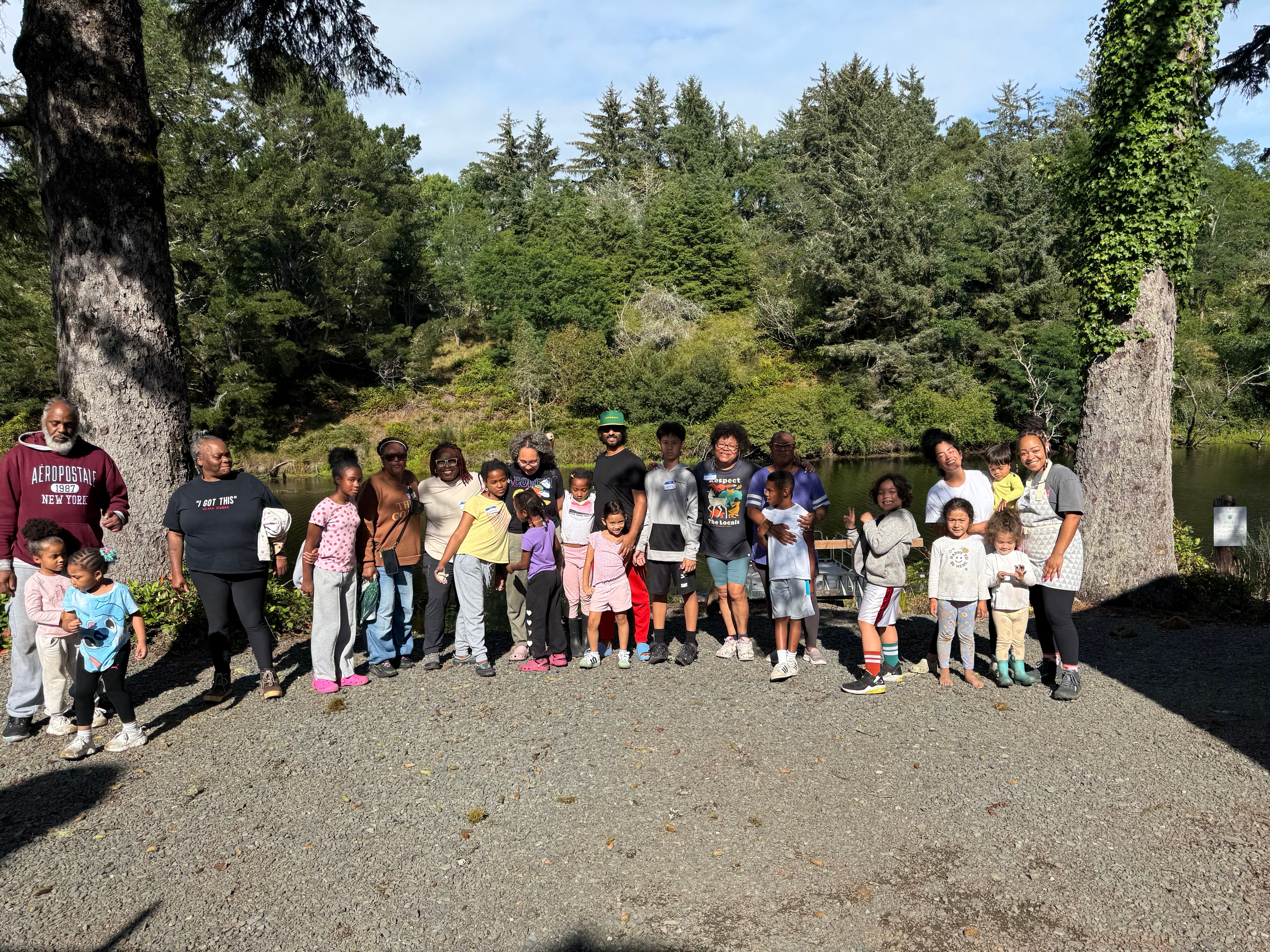
POCO includes an environmental education program for four- to ten-year-olds called the POCO Guardians. Slaughter remembers the change she witnessed when her own grandson and nephews grew older. As little tots exploring the Bird Alliance of Oregon lands, people would greet them warmly: “ ‘Hey little guys.’ ” When they got older, it changed to: “ ‘are there more of you coming?’ ” She wants to create a new generation of leaders of color who know they belong in outdoor spaces.
In late August, the POCO Guardians and their families take over Camp Kiwanilong for five days. At Kiwanilong, these Black and Brown kids, siblings, and parents are the only people at the 270-acres campus. They explore, host guest educators, learn about tracking, go birding, cook together, investigate wildlife, and play.
“Camp Kiwanilong is such a special place,” Slaughter insists. Built in the 1930s by the Kiwanis Club, Kiwanilong is situated in mature coastal spruce forest between Long Lake and the ocean. The lake is the center of activities for kids who love to swim, fish, and boat. Recently, the camp upgraded all three docks with support from the Gray Family Foundation. The thirteen original cabins and the original lodge have a rustic, low-tech warmth. June through August, Kiwanilong becomes a summer camp for over 700 kids. The camp offers scholarships and early enrollment for local students from Clatsop County. But outside of those six weeks, Amy Koch, the sole year-round staff of Kiwanilong, makes the camp available to other groups, including schools who host their own outdoor schools, Girl Scouts, Lewis & Clark College, and community groups seeking solitude and beauty.
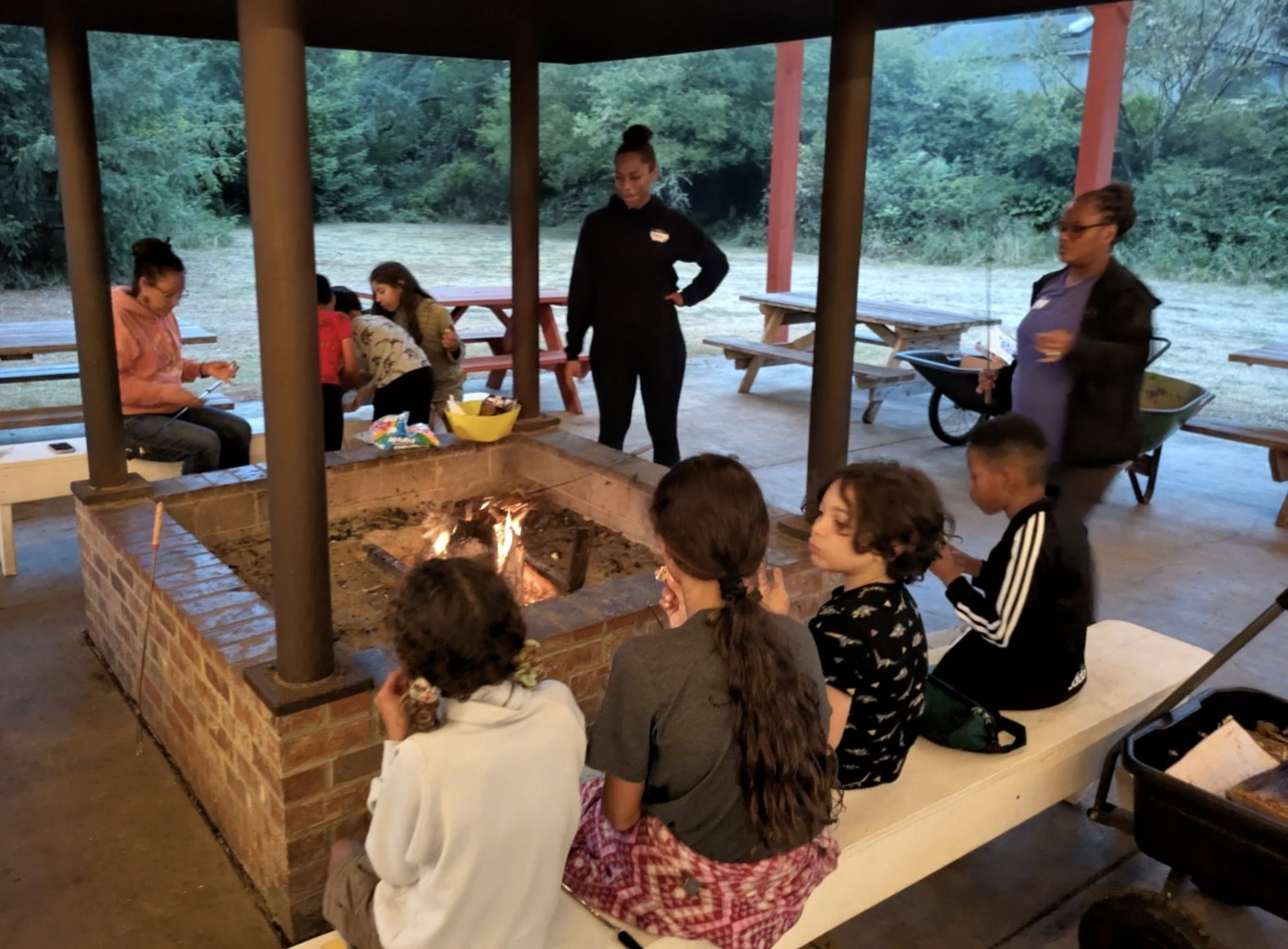
Koch reserves the week after summer camp for Slaughter and the POCO Guardians. Kiwanilong has become a safe and sacred place for these families. Not too far from the tree is a massive teeter-totter. It looks like the wall of a rustic cabin laying on the ground. First one kid gets on and tips the teeter-totter to one side. Then another, tipping the weight back. Soon, more families and kids join until all of them are playing, laughing, tipping up and down, carefree. Camp Kiwanilong has become a vessel for their explorations, healing, and joy.